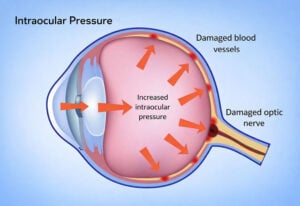
Eye pressure is the fluid pressure inside your eye, and it plays a significant role in maintaining healthy vision. When that pressure stays in a normal range, your optic nerve can do its job and send clear signals to your brain. When pressure creeps too high, the nerve can suffer slow, silent damage.
Because ocular hypertension often develops without noticeable symptoms, routine eye exams play an important role in detecting elevated eye pressure before it threatens vision. As Dr. Maldonado explains:
“Seeing well tomorrow begins with caring today. Annual eye exams can detect various eye conditions, such as ocular hypertension and early signs, and help preserve the gift of sight! “
This guide explains what normal pressure is, what high eye pressure means, and why regular exams at Southwest Eye Institute are so important for protecting your sight.
What Is Intraocular Pressure (IOP)?
Intraocular pressure (IOP), also called simply eye pressure, is generated by the clear fluid at the front of your eye, called aqueous humor. Your eye constantly produces this fluid, and an internal drainage system lets it flow out. When production and drainage stay in balance, pressure remains healthy, and your eye keeps its round shape.
If fluid builds up faster than it drains, pressure rises. Over time, that increased force can strain the optic nerve, the “cable” that carries visual information to your brain.
Normal Pressure Range
Most adults fall into a typical pressure range of about 10 to 21 millimeters of mercury (mmHg). Doctors use the same unit, mmHg, when they measure blood pressure.
Within that range, many people sit around an average of 15–16 mmHg. Even so, “normal” is not identical for everyone. Some eyes tolerate slightly higher pressure without damage, while others need a lower target to stay safe. Your optic nerve health, corneal thickness, and family history all influence what a healthy pressure looks like for you.
What Is High Eye Pressure?
When readings consistently stay above the normal range, your doctor may diagnose ocular hypertension, or high eye pressure. In many studies and clinical guidelines, ocular hypertension is defined as an IOP above about 21 mmHg in one or both eyes, with no signs of optic nerve damage or vision loss yet.
High pressure does not automatically equal glaucoma. Instead, it raises the risk that glaucoma will develop over time if the optic nerve starts to show damage. That is why your eye doctor monitors both your pressure and the health of your optic nerve, not just a single number on the chart.
Because many people with ocular hypertension feel completely fine, only a comprehensive eye exam can confirm whether pressure is high and whether the optic nerve shows any changes.
How Eye Doctors Measure Eye Pressure
During your visit, your doctor measures your pressure with a test called tonometry. After placing numbing drops, the doctor or technician gently uses a device to see how easily your cornea flattens. From that response, the machine calculates pressure in mmHg.
Your pressure can shift slightly throughout the day. Because of that, your care team may check it at different times or across several visits, especially if you have risk factors for glaucoma.
Why the Difference Matters
Normal pressure helps protect the optic nerve and preserve healthy side vision. Elevated pressure adds extra stress to that nerve. If the nerve starts to thin or visual field tests show changes, your doctor may diagnose glaucoma, even if you do not notice symptoms yet.
Some patients develop normal-tension glaucoma, where optic nerve damage appears even though pressure readings stay in the normal range. Others live for years with ocular hypertension and no damage. This is why your doctor looks at the whole picture: pressure, nerve health, visual fields, and your personal risk profile.
Protect Your Eye Pressure and Your Sight
You cannot see or feel this pressure on your own, but its impact on your optic nerve can shape your vision for the rest of your life. Regular exams give you a clear picture of where you stand now and how to protect your sight from now on.
At Southwest Eye Institute, our doctors use advanced diagnostic tools to measure your pressure levels, examine the optic nerve, and track changes over time. If you need treatment, we will explain your options in plain language and create a plan that fits your life.
Schedule a comprehensive eye exam with Southwest Eye Institute today to check your pressure levels, understand your glaucoma risk, and take a proactive step toward long-term vision health.
FAQ: Eye Pressure
Most adults have eye pressure between about 10 and 21 mmHg, but your doctor may set a slightly different “target” based on your nerve health and risk factors.
Yes. When eye pressure remains higher than usual, but optic nerve tests appear healthy, doctors call it ocular hypertension. It raises your risk of glaucoma, but it is not glaucoma by itself.
Most people do not feel anything unusual when eye pressure is high. That is why routine eye exams are so important, even if your vision seems fine.
Many adults benefit from a comprehensive eye exam every one to two years. If you have ocular hypertension, glaucoma, diabetes, or a strong family history, your doctor may recommend more frequent visits.
Related Posts
Better Vision Starts Here!
If you’re experiencing vision changes, don’t wait until they worsen. Schedule your eye exam today!