 The iDose TR Procedure: What to Expect
One of the remarkable aspects of iDose TR is how quick and simple the procedure is for patients. Here’s an overview of what you can expect when undergoing an iDose TR implantation at Southwest Eye Institute:
Consultation & Evaluation
First, our glaucoma specialist will conduct a comprehensive eye exam to confirm that you are a suitable candidate for iDose TR. We’ll review your glaucoma type (it must be open-angle glaucoma or ocular hypertension for iDose TR to be indicated—open-angle glaucoma means the eye’s drainage angles are open but fluid exits too slowly; ocular hypertension means you have high eye pressure without optic nerve damage) and discuss your current treatments. If you have been struggling with daily drops or still have elevated eye pressure despite treatment, you might be an ideal candidate. We’ll also check for any disqualifying conditions – for example, patients with active eye infections, certain corneal conditions (like endothelial cell dystrophy, a disease of the cornea’s inner lining, or a prior corneal transplant), or very narrow angles (where the drainage angle is too tight for implantation) may not be eligible for an implant. Your doctor will determine the best course and ensure iDose TR is safe for you.
Before the Procedure
On the day of the procedure, no extensive preparation is needed. It’s typically done under local/topical anesthesia. You will be awake, but your eye will be numbed with drops and perhaps a mild sedative given to keep you relaxed. The procedure is usually done one eye at a time (if both eyes need it, they might be done on separate visits or sometimes the same day, depending on the surgeon’s plan).
Insertion of the Implant
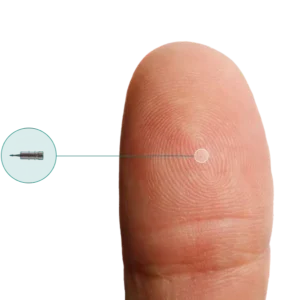
The surgeon will use a special injector tool to place the implant. A tiny incision (microscopic in size) is made at the edge of the cornea (clear front of the eye). Through this opening, the preloaded iDose TR device is gently inserted into the front chamber of the eye. The actual implantation takes only a few minutes.
Outpatient & Same-Day Discharge
After a brief post-procedure observation, you’ll be able to go home the same day with no hospital stay needed. The incision is so small that it generally self-seals without stitches. Your doctor will cover your eye with a protective shield or patch for a short time, and you’ll be given specific eye drops to use for a couple of weeks to aid healing (ironic as it sounds, some temporary drops like anti-inflammatories or antibiotics ensure the implant settles in without issues).
Recovery
Recovery time is usually fast. Most patients resume their normal daily activities within a day or two after the procedure. You may experience mild redness, irritation, or a sandy feeling in the operated eye for a few days. We will schedule follow-up visits to check your eye pressure and make sure the iDose implant is positioned correctly (it’s very rare, but if the implant were to move or dislocate, the doctor can detect it and reposition or remove it if needed. Serious complications are uncommon; however, as with any eye procedure, we’ll monitor for signs of infection, inflammation, or significant pressure changes in the early weeks. Our team will give you clear instructions on post-op care. Generally, you’ll use some prescription eye drops (such as anti-inflammatory drops) temporarily during healing, but the goal is that you won’t need your chronic glaucoma drops anymore on a daily basis.
Follow-Up Care
After iDose TR, we will continue to see you at regular intervals to ensure your intraocular pressure remains at target and your glaucoma is stable. While iDose TR often reduces or eliminates the need for glaucoma drops, there is currently no cure for glaucoma and you will still need ongoing monitoring. The implant’s effect is intended to last years, but individual results vary. Some patients may still need a regimen of one drop or need additional treatments down the line, and others may eventually get a replacement implant when the time comes. We will tailor your care plan to your needs. Many patients feel empowered knowing that a huge part of their glaucoma management is now “hands-off” and handled by this tiny device.