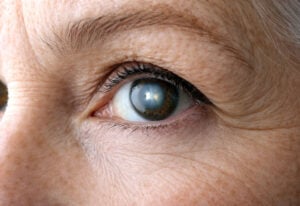
Posterior Capsular Opacification: Why Vision Gets Cloudy After Cataract Surgery
Posterior capsular opacification is a common, treatable cause of vision turning cloudy again aftercataract surgery. It happens when the thin membrane behind your new lens becomes hazy, not because your cataract grew back. In many cases, treatment is a fast in-officeYAG laser capsulotomy that clears the visual pathway and helps restore sharper vision.
It can feel frustrating when vision starts to slip after you have already gone through cataract surgery. Reading may seem harder. Headlights may look harsher. Colors may lose some crispness. These symptoms are common, and your eye doctor can usually diagnose it quickly and treat it without another cataract surgery.
What is Posterior Capsular Opacification?
Posterior capsular opacification, sometimes called a secondary cataract, is a clouding of the posterior lens capsule, the thin membrane that holds your artificial lens implant in place after cataract surgery. During cataract surgery, the cloudy natural lens is removed, but the capsule is left behind to support the new intraocular lens. Over time, leftover lens epithelial cells can migrate and accumulate on the capsule, making it appear hazy and causing blurry vision again.
That is why posterior capsular opacification is not the same thing as a cataract coming back. Cataracts form on your natural lens, and that lens is already gone after cataract surgery. The capsule behind the implant becomes cloudy.
Why Does Posterior Capsular Opacification Happen?
This condition is part of the eye’s healing response after cataract surgery. Even with modern surgical techniques and lens implants, some cells can remain after the natural lens is removed. Those cells may later grow across the capsule and create a cloudy film behind the implant. Posterior capsular opacification is the most common complication after cataract surgery.
It can show up months after surgery or even years later. That delay is one reason many patients are caught off guard. They assume the cataract surgery “wore off,” when in reality the implanted lens is usually still clear, and the problem is the membrane behind it.
Symptoms of Posterior Capsular Opacification
Posterior capsular opacification often feels a lot like cataract symptoms returning. You may notice:
Cloudy, blurry, or fuzzy vision
Glare or halos around lights
More light sensitivity
Trouble reading fine print
Difficulty driving at night
General feeling that vision has become dull again
If that sounds familiar, you are not imagining it. These are classic signs that the visual axis may be getting blocked by a cloudy capsule.
How Southwest Eye Institute Evaluates Cloudy Vision After Cataract Surgery
At Southwest Eye Institute, the first step is to ensure that cloudy vision after cataract surgery is actually posterior capsular opacification and not something else. A comprehensive eye exam helps your doctor look at the front of the eye, the implanted lens, the capsule behind it, and the retina. The exam process includes visual testing, evaluation of the front of the eye, dilation when needed, and additional imaging if something needs a closer look.
That matters because not every blurry day after cataract surgery points to posterior capsular opacification.Dry eye, normal healing changes, retinal issues, or swelling can also affect vision. A clear diagnosis helps you avoid guessing and move toward the right next step faster.
Treatment Options
The standard treatment for posterior capsular opacification is a YAG laser capsulotomy. This is not the same as repeating cataract surgery. Instead, your ophthalmologist uses a focused laser to create an opening in the cloudy capsule so light can pass through clearly again.YAG capsulotomy is a quick, simple outpatient procedure.
For most patients, this treatment is easier than they expect. Your eye is numbed, the pupil is usually dilated, and the laser portion itself takes only minutes. There is no incision, and you usually go home the same day. Many people notice clearer vision within hours or over the next few days.
Is YAG Laser Capsulotomy Painful?
Most patients do not describe the procedure as painful. Because the eye is numbed first, discomfort during the laser is usually minimal or none. You may hear clicking sounds or notice temporary visual effects during the treatment, but the procedure itself is typically very manageable. YAG capsulotomy is safe, effective, and performed as an outpatient, with little to no pain during the procedure.
You may notice a few floaters afterward, and mild irritation can happen, but major complications are uncommon. Your doctor will let you know what to expect and whether you need a follow-up visit.
When to Call Southwest Eye Institute
If you had cataract surgery and your vision is getting cloudy again, it is worth scheduling an exam, especially if the change is affecting reading, driving, or daily comfort. You should also call promptly if you have sudden vision loss, a dark curtain over part of your vision, flashes of light, or a sudden burst of many floaters. Those symptoms can point to problems that need urgent attention, not just posterior capsular opacification.
Clear Up Cloudy Vision After Cataract Surgery
Posterior capsular opacification can be frustrating, but it is also one of the most treatable reasons vision turns cloudy again after cataract surgery. Schedule a comprehensive eye exam or cataract follow-up at Southwest Eye Institute, so your doctor can confirm the cause, explain your options, and recommend whether a quick in-office YAG laser capsulotomy is the right next step for clearer vision.
FAQ: Posterior Capsular Opacification
Posterior capsular opacification is a cloudy change in the thin membrane behind your lens implant after cataract surgery. It can make vision blurry again, even though the artificial lens remains clear.
No. A cataract cannot grow back once the natural lens has been removed. Posterior capsular opacification happens when the capsule behind the implant becomes cloudy.
Common symptoms include blurry or fuzzy vision, glare, halos around lights, light sensitivity, and trouble reading or seeing clearly at night.
It is usually treated with a YAG laser capsulotomy, a quick outpatient laser procedure that creates an opening in the cloudy capsule so light can pass through more clearly.
YAG laser capsulotomy is generally considered safe and effective. Complications are uncommon and, when they do occur, are most often mild and manageable.
You should schedule an eye exam if your vision becomes cloudy again after cataract surgery, or if glare, halos, or reading problems worsen. Seek urgent care right away for sudden vision loss, flashes, a dark curtain, or a sudden shower of floaters.
Related Posts
Better Vision Starts Here!
If you’re experiencing vision changes, don’t wait until they worsen. Schedule your eye exam today!