Your vision is one of your most valuable senses, shaping how you experience the world daily. When cataractsdevelop and go untreated, they can cloud your sight and even lead to blindness. While cataract surgery is a safe and effective option, you might wonder if it’s possible to reverse cataracts without going under the knife. Let’s explore what science says about natural ways to slow, treat, or prevent cataracts and why surgery remains the gold standard.
Can You Reverse Cataracts Without Surgery?
At this time, you cannot reverse cataracts without surgery. No non-surgical cure has received FDA or other medical authority approval.
In 2015, researchers discovered Compound29, which reversed certain cataracts in lab tests on human lens tissue and mice. While promising, more research is needed to confirm its effectiveness in humans.
Another compound, lanosterol, showed potential but isn’t water-soluble enough to be made into eye drops.
In September 2024, researchers at the National Institutes of Health (NIH) identified a protein, RNF114, that could reverse cataracts.Studies in hibernating ground squirrels and rats showed that RNF114 helps break down misfolded proteins in the eye lens, potentially clearing cataracts without surgery.This discovery may lead to a new, non-invasive treatment for cataracts.
Is There a Natural Cure for Cataracts?
Currently, no natural cure exists for cataracts.
Get regular eye exams to catch problems early.
Quit smoking and reduce alcohol intake.
Manage chronic conditions like diabetes.
Eat plenty of fruits and vegetables rich in vitamins.
Also, talk to your eye doctor about how your medications might affect your cataract risk.
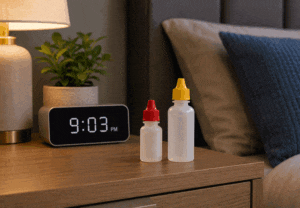
Can Cataracts Be Cured with Eye Drops?
Currently, eye drops cannot cure cataracts. The only proven, FDA-approved treatment for cataracts is surgery, in which the cloudy lens is removed and replaced with an artificial lens.
However, research is ongoing into eye drop treatments that might slow or even reverse cataracts in the future. Some compounds, such as N-acetyl carnosine and oxysterol-based formulations, have shown promise in laboratory and early clinical studies. However, none are yet approved or widely considered effective cataract treatments.
Can You Slow the Progression of Cataracts?
No treatments have proven to slow cataract progression. Still, following a healthy lifestyle and avoiding steroid eye drops might help.
Your doctor can advise you on medications to avoid that could worsen cataracts.
What Happens If Cataracts Go Untreated?
Cataracts don’t always worsen to the point of interfering with daily life, so surgery isn’t always needed immediately. But if left unchecked, cataracts can progress and severely affect activities like driving and reading.
Untreated cataracts can eventually lead to legal blindness or total blindness. They can also become “hypermature,” making surgery more complicated and risky.
That’s why regular eye exams are so important. If you notice your vision worsening before your scheduled visit, don’t wait; make an appointment sooner.
Can Cataract Blindness Be Reversed?
Yes! Cataract surgery, which includes implanting an artificial lens, can reverse blindness caused by cataracts. Surgery before severe vision loss generally leads to better outcomes and fewer complications.
How Do You Know If You Need Cataract Surgery?
The best way to know if cataract surgery is right for you is to talk with an ophthalmologist. Surgery tends to be most successful when done early.
Cataract surgery is quick, usually painless, and can improve your vision, making it life-changing.
Take Charge of Your Vision
Cataracts can feel overwhelming, but you don’t have to face them alone. You can keep your vision clear and bright with regular eye exams, healthy habits, and expert care. If you have questions about cataracts or surgery, reach out to schedule your eye exam online today.
FAQ: Can You Reverse Cataracts Without Surgery?
No. Cataracts cannot currently be reversed or removed without surgery. Eye drops, supplements, exercises, and home remedies may support general eye health, but they do not clear the cloudy natural lens once a cataract forms.
No. Cataracts do not go away on their own. Early symptoms may seem manageable for a while with brighter lighting, updated glasses, or anti-glare lenses, but cataracts usually progress over time.
No approved eye drop can cure cataracts today. Research is ongoing, but current cataract eye drops sold online or over the counter should not be treated as a proven substitute for cataract surgery.
No vitamin or supplement has been proven to reverse cataracts. A balanced diet may support overall eye health, but it cannot make a cloudy lens clear again.
You may support long-term eye health by wearing UV-blocking sunglasses, avoiding smoking, managing diabetes, protecting your eyes from injury, eating a balanced diet, and keeping regular eye exams. These steps do not reverse cataracts, but they may help reduce avoidable risk factors.
Cataracts may need surgery when they interfere with daily life, such as driving, reading, working, watching television, or enjoying hobbies. Your eye doctor can help determine the right timing based on your symptoms and exam results.
Cataract surgery can often improve vision loss caused by cataracts because the cloudy lens is removed and replaced with a clear artificial lens. If another eye condition is also affecting vision, your results may depend on your overall eye health.
Yes. Cataract surgery is the only proven treatment that removes the cloudy lens caused by cataracts. Early cataract symptoms may be managed temporarily, but surgery is the treatment that removes the cataract.
Related Posts
Better Vision Starts Here!
If you’re experiencing vision changes, don’t wait until they worsen. Schedule your eye exam today!