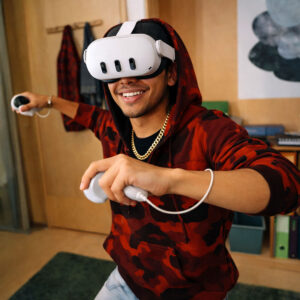
Wearable Tech Devices: Smart Glasses, VR & AR Risks
Wearable tech devices are showing up everywhere, from living rooms and classrooms to office meetings and gaming sessions. Because these devices sit right in front of your eyes, they change how you focus, how often you blink, and how you hold your head and neck. For most people with healthy eyes, wearable tech devices do not seem to cause permanent eye damage when used sensibly; however, they can trigger digital eye strain, dry-eye symptoms, headaches, and neck or shoulder pain if the fit is poor or the sessions run too long.
In this guide, the doctors at Southwest Eye Institute explain how wearable tech devices interact with your visual system, who should be more cautious, and simple ways to stay comfortable while you use them.
What Do We Mean by “Wearable Tech” for Your Eyes
In eye care, “wearables” usually refer to devices that sit on or very close to your eyes and change how you view digital content. The main categories include:
Early smart contact lens designs, which are still in research and testing
All of these devices keep your eyes working at a close distance and use bright digital displays. They also make it easy to lose track of time. That combination can lead to digital eye strain, a cluster of symptoms that may include:
Tired, sore, or heavy eyes
Burning, stinging, or a gritty sensation
Blurred or fluctuating vision
Headaches or pressure around the eyes
Tightness in the neck and shoulders
The goal at Southwest Eye Institute is not to keep you away from new technology. Instead, we want to help you understand what these devices ask of your eyes so you can build healthier habits around them.
Why Wearable Tech Devices Make Your Eyes Work Harder
Any time you focus on a near object for an extended period, your eyes and eye muscles must stay in a more engaged position. Wearable tech devices add a few extra layers of demand:
The content is close to your face, so your focusing system stays “on.”
The displays are bright and high contrast, which can be stimulating but tiring
You may blink less because you are concentrating, which dries out the eye surface
Headsets and smart glasses can tempt you into an awkward posture when the fit is off
Over minutes and hours, that extra effort shows up as eye fatigue, headaches, and neck or shoulder discomfort. For some users, especially people who already struggle with dry eye or muscle imbalance, symptoms can appear quickly.
Smart Glasses and AR: Helpful Tools That Still Need a Good Fit
Smart glasses and AR glasses layer digital information over the real world. They can be useful for work and entertainment, yet they still need a proper fit to protect your comfort.
If the internal optics do not line up with your pupils, your eyes must constantly adjust to keep the image clear. This can lead to:
Eye strain or a “tugging” feeling around the eyes
Difficulty staying focused on tasks
Headaches during or after use
Subtle head tilts or chin lifts that strain the neck
A few practical steps:
Adjust nose pads and arms so the glasses sit level and do not slide
Check your posture often, then reset your shoulders and neck to a neutral position
For smart glasses and similar devices, fit is part of eye care, not just a style choice.
VR and Mixed Reality Headsets: Immersive, Intense, and Demanding
VR and mixed reality headsets replace your real surroundings, either wholly or partly, with a digital scene. Many patients at Southwest Eye Institute ask if this is “bad” for their eyes.
What current evidence suggests:
VR and mixed reality use can cause temporary symptoms such as eye strain, light sensitivity, headaches, or motion sickness, especially with longer or intense sessions
These symptoms usually improve with rest, but they are a signal that your eyes and brain are working hard to process complex visual input.
Children, people with a history of eye muscle problems, and those who already get migraines or frequent headaches may feel uncomfortable sooner and need shorter sessions.
One unique challenge is the mismatch between focusing distance and perceived depth. Your eyes focus at the fixed distance of the screens, even as the virtual world makes objects appear closer or farther away. For some users, that mismatch adds to fatigue.
VR also has positive uses, for example, in training environments and some therapeutic settings. The device itself is not automatically harmful; however, comfort depends on how long you use it, how well it fits, and how your eyes respond.
Smart Contact Lenses: Exciting Ideas With Safety Questions to Answer
Smart contact lenses are one of the most talked-about future wearable tech devices. While most people will not encounter them outside of research for some time, scientists are exploring lenses that may:
Monitor certain biomarkers, such as glucose, in the tear film
Present simple digital information directly in front of the eye
To achieve this, smart lenses may incorporate tiny electronics, sensors, or antennas into or onto the lens material. That raises important questions for long-term eye health, including:
Oxygen delivery to the cornea Any contact lens reduces oxygen flow compared with no lens. Extra thickness or less breathable materials can further lower oxygen levels, which may increase the risk of corneal swelling or other complications.
Mechanical stress on the corneal surface Added components can change how the lens moves during each blink and where it contacts the eye. Over time, this may create friction or pressure points that the cornea must tolerate.
Long-term effects on the retina and eye tissues Smart lenses may rely on wireless power transfer, embedded electronics, or light-based elements. Long-term safety data is still being collected.
At this stage, smart contact lenses should be viewed as experimental. Before they become part of everyday eye care, they will need careful testing to prove that they are safe, breathable, and comfortable for long-term use.
Who Should Take Extra Care With Wearable Tech Devices
Anyone can develop eye strain or posture-related discomfort from wearable tech devices; however, certain groups need to be more cautious, such as:
Children and teens who spend long stretches in virtual environments
People who already live with dry eye or ocular surface disease
Recommend specific strategies, from session limits to lubricating drops, to help protect your comfort and vision.
Simple Habits to Reduce Eye Strain From Wearable Tech Devices
You do not have to give up wearable tech devices to take care of your eyes. Small, consistent habits can make a big difference.
Dial in the fit regularly.
Take a few moments at the beginning of each session to adjust straps, nose pads, and IPD settings. The device should sit level, stable, and centered without you needing to lean or twist to see clearly.
Break up your sessions.
Long, uninterrupted use is more likely to cause symptoms. Start with shorter blocks, then build in routine breaks, especially when using a new device. Many people feel better with several short sessions than with one long one.
Look away and refocus.
Give your eye muscles a short reset by looking across the room or out a window for at least twenty seconds between tasks. This simple “look away” habit eases strain on focus.
Support your tear film.
Most people blink less when they focus on digital content. Remind yourself to blink fully, especially during intense or fast-moving scenes. If you already have dry eye, ask your doctor whether artificial tears or other treatments would help.
Tame brightness and contrast.
Very bright displays in a dark environment can feel harsh. Lower the brightness slightly and increase text size when possible. Small adjustments can make viewing much more comfortable.
Respect your warning signs.
Burning, pressure, light sensitivity, dizziness, headaches, or tight shoulders are signals to pause and reassess. If symptoms keep coming back, even when you make changes, it is time to schedule an eye exam.
Talk With Southwest Eye Institute About Wearable Tech Devices
Wearable tech devices are changing how we learn, play, and connect with each other. They can offer real benefits, but they also put more strain on your eyes, neck, and shoulders than traditional glasses or flat-screen devices. With careful fit, realistic time limits, and regular eye care, you can enjoy smart glasses, VR headsets, and emerging smart contact lenses without guessing about their impact on your vision.
If you notice headaches, eye fatigue, dry eye symptoms, or neck pain after using wearable tech devices, or if you want guidance before you or your family rely on them more often, the team at Southwest Eye Institute is ready to help. Schedule a routine eye exam, bring your questions about your favorite devices, and let us work with you to create a plan that supports clear, comfortable vision in a digital world.
FAQ: Wearable Tech Devices and Your Eyes
For most people with healthy eyes, current evidence suggests that smart glasses and VR or mixed reality headsets do not cause permanent eye damage when used responsibly. However, they can increase visual demand and lead to temporary digital eye strain, dry eye symptoms, or headaches, especially if the fit is poor or sessions are too long.
We still need more long-term research on younger users. In general, it is wise to limit continuous use, set clear time boundaries, encourage regular breaks, and balance screen time with outdoor play. Children with eye alignment problems or amblyopia should have their device use guided by an eye doctor.
Most smart contact lenses remain in research or controlled trials. Early designs raise reasonable questions about oxygen delivery, corneal mechanical stress, and long-term safety. Until more data are available, any contact lens, including cosmetic or novelty designs, should be worn only with a prescription and proper fitting from an eye care professional.
You do not need a separate type of exam; however, you should tell your eye doctor how often you use wearable tech devices and what symptoms you notice. That information helps your doctor adjust your prescription if needed, look for dry eye or focusing issues, and offer tailored advice.
If you have dry eye, glaucoma, keratoconus, or a history of corneal surgery, wearable tech devices may aggravate your symptoms sooner. Your doctor at Southwest Eye Institute may recommend shorter sessions, targeted lubricating drops, or changes to your setup to help protect your eyes.
Related Posts
Better Vision Starts Here!
If you’re experiencing vision changes, don’t wait until they worsen. Schedule your eye exam today!
To provide the best experiences, we use technologies like cookies to store and/or access device information. Consenting to these technologies will allow us to process data such as browsing behavior or unique IDs on this site. Not consenting or withdrawing consent, may adversely affect certain features and functions.
Functional
Always active
The technical storage or access is strictly necessary for the legitimate purpose of enabling the use of a specific service explicitly requested by the subscriber or user, or for the sole purpose of carrying out the transmission of a communication over an electronic communications network.
Preferences
The technical storage or access is necessary for the legitimate purpose of storing preferences that are not requested by the subscriber or user.
Statistics
The technical storage or access that is used exclusively for statistical purposes.The technical storage or access that is used exclusively for anonymous statistical purposes. Without a subpoena, voluntary compliance on the part of your Internet Service Provider, or additional records from a third party, information stored or retrieved for this purpose alone cannot usually be used to identify you.
Marketing
The technical storage or access is required to create user profiles to send advertising, or to track the user on a website or across several websites for similar marketing purposes.